
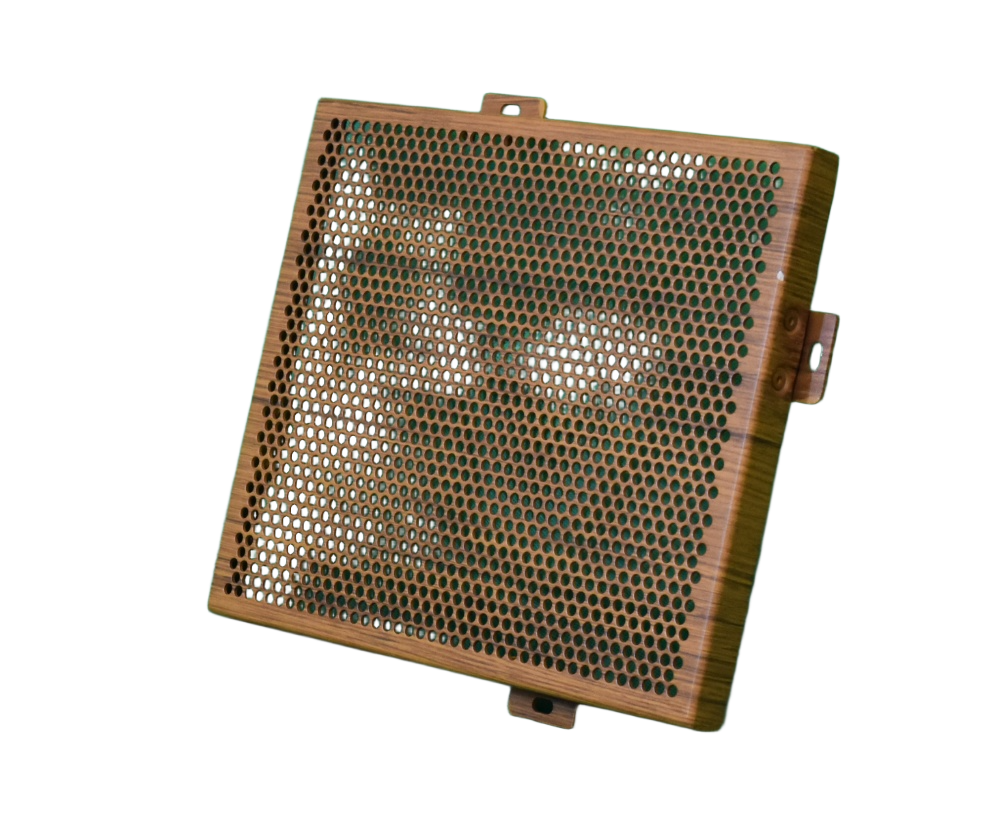
Here is a 1000-word English explanation of **“Why Are Metal Ceilings Resistant to Mold and Mildew?”**
---
Why Are Metal Ceilings Resistant to Mold and Mildew?
Mold and mildew are common problems in many buildings, especially in areas with high humidity, poor ventilation, or frequent water exposure. They can damage building materials, create unpleasant odors, and even affect indoor air quality. For this reason, choosing construction materials that resist mold and mildew is very important. One material that performs especially well in this regard is metal. Metal ceilings are widely used in homes, offices, hospitals, schools, hotels, and commercial buildings because they offer durability, modern appearance, and strong resistance to biological growth. But why exactly are metal ceilings resistant to mold and mildew? The answer lies in the nature of metal itself, its surface properties, and the way it is manufactured and installed.
1. Mold and mildew need moisture and organic material
To understand why metal ceilings resist mold and mildew, it helps to first understand what mold and mildew need to grow. Mold and mildew are types of fungi. They thrive in environments where there is moisture, warmth, and a food source. Many common building materials, such as wood, drywall, paper-backed insulation, and some ceiling tiles, contain organic matter that fungi can feed on. When these materials become damp, mold spores can settle on them and begin to grow.
Metal, however, does not provide a food source for mold or mildew. Unlike wood or paper-based products, metal is inorganic. It contains no nutrients that fungi can consume. This makes it naturally less attractive to mold growth. Even if mold spores land on a metal surface, they usually cannot feed and multiply there unless dirt, dust, or other organic debris is present.
2. Metal does not absorb water
Another major reason metal ceilings resist mold and mildew is that metal is non-porous. Porous materials can absorb water and trap moisture inside them. This trapped moisture creates ideal conditions for fungal growth. For example, if a ceiling tile made of fiber or gypsum gets wet, moisture can remain inside the material for a long time, allowing mold to spread beneath the surface.
Metal surfaces, on the other hand, do not absorb water. When moisture lands on a metal ceiling, it usually stays on the surface and can evaporate or be wiped away more easily. Because the material itself does not hold moisture, mold has fewer chances to take root. This property is especially valuable in areas like kitchens, bathrooms, laundry rooms, hospitals, and basements, where humidity levels can be high.
3. Smooth surfaces make cleaning easier
Most metal ceilings are manufactured with smooth, finished surfaces. These finishes may include paint, powder coating, anodizing, or protective laminates. A smooth surface makes it much harder for mold spores, dirt, and dust to cling to the ceiling. Since mold often grows where dirt accumulates, easy cleaning is a major advantage.
Regular maintenance of a metal ceiling is simple. Dust and moisture can be removed quickly using a cloth or mild cleaning solution. In contrast, textured or fibrous ceiling materials can trap dust and moisture in tiny openings, creating hidden areas where mold can develop unnoticed. The smoothness of metal helps prevent this problem and makes it easier to maintain a clean, hygienic environment.
4. Protective coatings add extra defense
Many metal ceilings are treated with coatings that improve their resistance to corrosion, stains, and microbial growth. For example, powder-coated steel or aluminum ceiling panels often have finishes that seal the surface and reduce the possibility of water penetration. Some coatings are even designed specifically to resist bacteria, mold, and mildew.
These coatings serve two important purposes. First, they protect the metal from rust and wear, which helps the ceiling last longer. Second, they create a barrier that makes it even harder for mold spores to settle and grow. In buildings where hygiene is a top priority, such as hospitals, food preparation areas, and laboratories, these protective finishes are especially useful.
5. Metal ceilings are less likely to degrade when damp
Some building materials become weaker when exposed to moisture. Drywall can soften, ceiling tiles can sag, and wood can swell or rot. As these materials break down, they become even more vulnerable to mold. Metal ceilings do not degrade in the same way. When exposed to humidity or occasional moisture, they maintain their shape and structural strength.
Because metal remains stable, it does not create cracks, soft spots, or damaged sections where mold might grow. This stability makes metal ceilings a dependable choice for environments that experience changing temperatures or periodic dampness. Even if condensation occurs, the ceiling can usually be dried without lasting damage.
6. Resistance to pests and bacteria
While the main topic is mold and mildew, it is worth mentioning that metal ceilings also resist other biological threats such as pests and bacteria. Insects and rodents cannot feed on metal, and bacteria are less likely to flourish on clean, non-porous surfaces. This makes metal ceilings a good option for sanitary settings.
Because mold often grows in places where dirt, pests, or moisture are present, a material that reduces all of these risks can also reduce the chance of fungal problems. The overall cleanliness of the surface contributes to its mold-resistant performance.
7. Better performance in humid environments
Humidity is one of the biggest causes of mold and mildew in buildings. In humid climates, ceiling materials are constantly exposed to moisture in the air. Metal ceilings perform particularly well in these conditions because they do not absorb humidity the way organic or porous materials do. They are commonly used in coastal areas, tropical regions, and buildings with poor climate control for this reason.
Ventilation still matters, of course. No material can completely prevent mold if a building has severe leaks, standing water, or poor air circulation. But compared with many other ceiling materials, metal offers a much stronger defense against fungal growth in humid conditions.
8. Long-term durability and low maintenance
Metal ceilings are also resistant to mold and mildew because they are durable over time. Since they do not rot, warp, or break down easily, they remain effective for many years with minimal maintenance. This durability reduces the likelihood that cracks, hidden cavities, or damaged sections will form and collect moisture.
Low maintenance is another key benefit. Building owners do not need to replace metal ceiling panels as frequently as some other materials. Fewer repairs mean fewer chances for water damage or hidden mold growth inside the ceiling system. In the long run, this makes metal ceilings both practical and cost-effective.
Conclusion
Metal ceilings are resistant to mold and mildew because they are inorganic, non-porous, durable, and easy to clean. They do not provide food for fungi, do not absorb moisture, and often include protective coatings that strengthen their resistance even further. Their smooth surfaces reduce dust buildup, and their stability makes them suitable for humid or demanding environments. While proper ventilation and moisture control are still important in any building, metal ceilings offer a strong advantage over many traditional ceiling materials when it comes to preventing mold and mildew. For this reason, they are an excellent choice for spaces where cleanliness, durability, and long-term performance matter.
---
If you want, I can also help you turn this into:
1. a **more academic essay**,
2. a **simpler version for students**, or
3. a **Chinese-to-English translation style article**.


Add:No. 7, Shunjing Avenue, Area B, Heshunhegui Industrial Zone, Lishui Town, Nanhai District, Foshan City
Fax:+86-0757-85108438
Tel:Mr.Liang +86-18038807025 Alicegao +86 13535142165
Copyright © 2025 Foshan zhuhui Metal Decoration Materials Co., LTD All Rights Reserved. | Sitemap | Privacy Policy 技术支持:佛山祥之云 备案号:粤ICP备15029609号-1
This website uses cookies to ensure you get the best experience on our website.



 Whatsapp
 Phone